

If you are a school leader, teacher, or parent, you have likely heard about NEP 2020, but understanding what it really means in practice can feel confusing.
The National Education Policy 2020 (Rashtriya Shiksha Niti 2020) goes beyond introducing new programmes, it re-envisions the structure of school education in India. One of its most significant reforms is the restructuring of the school education system itself (NEP 2020, Ministry of Education, Section 3.3).
For over three decades, India followed a 10+2 structure: ten years of schooling (Classes 1–10) followed by two years of higher secondary education (Classes 11–12). NEP 2020 introduces a new 5+3+3+4 structure, fundamentally reshaping how children progress through their school years.
Let us break down what this means for students, teachers, and parents.
What is NEP 2020?
The full form of NEP is the National Education Policy. Released in July 2020, it is India’s first comprehensive education policy in 34 years.
The policy was designed to (NEP 2020, Ministry of Education, Section 1):
- Modernize India’s education system for the 21st century.
- Shift from rote memorization to conceptual understanding.
- Build practical, real-world skills alongside academic learning.
- Make education more inclusive and flexible.
- Prepare students for evolving future careers.
Before exploring why NEP 2020 was needed, it is important to understand the key structural reform it introduces, the 5+3+3+4 model.
Understanding the New 5+3+3+4 School Structure
The traditional Indian school system followed the 10+2 structure, but under NEP 2020, this is replaced by a 5+3+3+4 model that organises schooling into four distinct developmental stages, each with a specific focus (NEP 2020, Section 3.3).
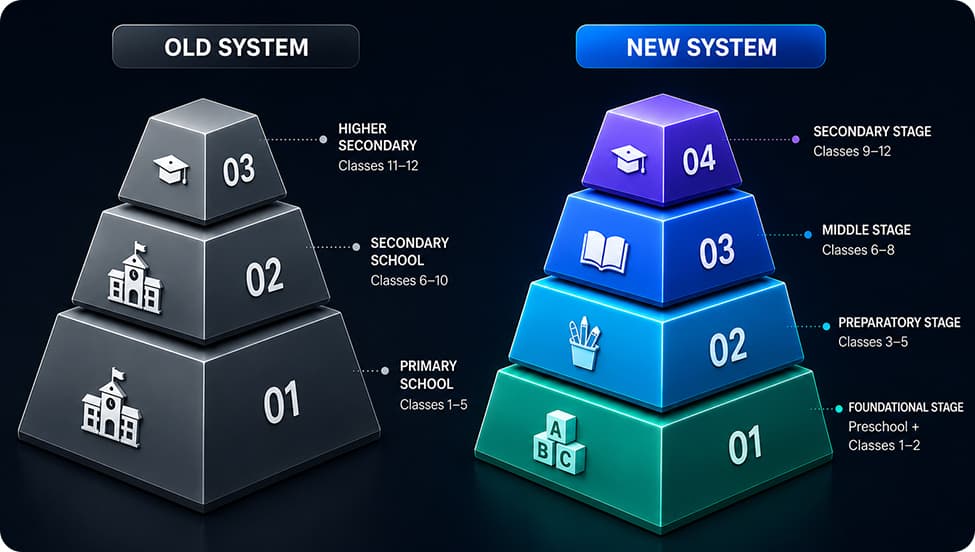
Source: NEP 2020, Section 3.3
Unlike the earlier structure, the new framework places greater emphasis on conceptual understanding, flexibility, skill development, and age-appropriate learning, rather than rigid academic stages (NEP 2020, Sections 4.4, 4.6).
What are the Foundational & Preparatory Stages under NEP 2020?
Under NEP 2020, primary education is divided into two stages:
- Foundational Stage: Preschool + Classes 1–2
- Preparatory Stage: Classes 3–5
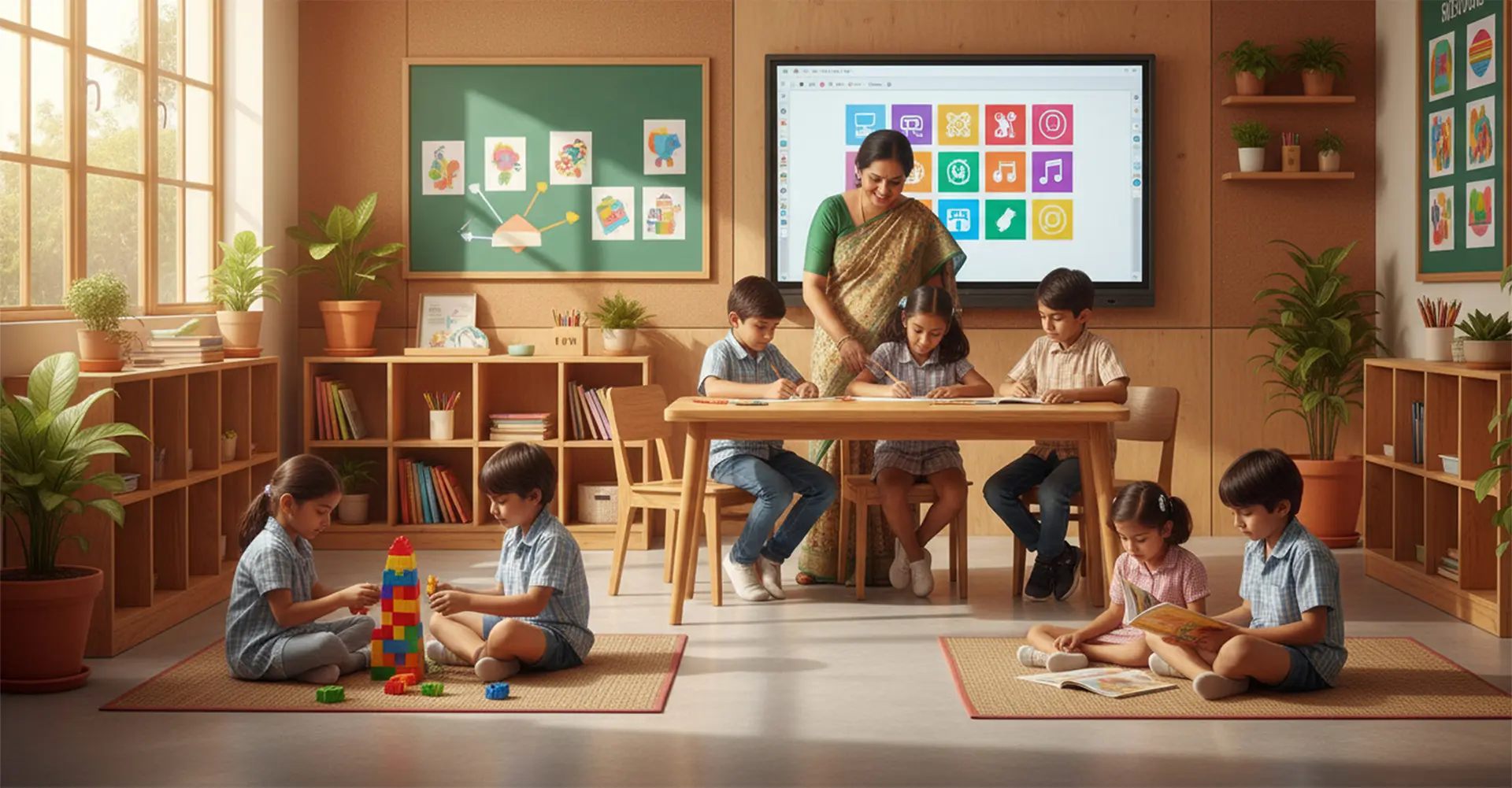
The focus shifts from rote learning toward play-based, activity-based, and conceptual learning (NEP 2020, Sections 4.6, 4.7).
Foundational Stage (Preschool + Classes 1–2)
This stage focuses on:
- Play-based learning
- Storytelling and activity-based approaches
- Building foundational language and numeracy skills
- Fostering curiosity and social development
Formal rote learning and exam pressure are intentionally reduced during these years (NEP 2020, Sections 4.6, 4.7).
Preparatory Stage (Classes 3–5)
At this stage, students gradually transition towards more structured classroom learning.
The focus includes: (NEP 2020, Sections 4.7, 4.9):
- Developing reading and writing fluency
- Strengthening foundational mathematics
- Introducing subject exploration
- Building communication and problem-solving skills
- Promoting learning through activities and projects
What are the Middle & Secondary Stages under NEP 2020?
Under NEP 2020, school education beyond the early foundational years is organised into two stages:
- Middle Stage: Classes 6–8
- Secondary Stage: Classes 9–12
In common usage, many parents and schools still refer to Classes 11–12 as “higher secondary.” However, under NEP 2020, Classes 9–12 together constitute the broader Secondary Stage.
At this stage, the focus gradually shifts from memorisation to conceptual understanding, critical thinking, practical application, and career readiness (NEP 2020, Sections 4.4, 4.34).
Middle Stage (Classes 6–8)
Students begin to engage with:
- Subject-based learning
- Critical thinking and discussion-based approaches
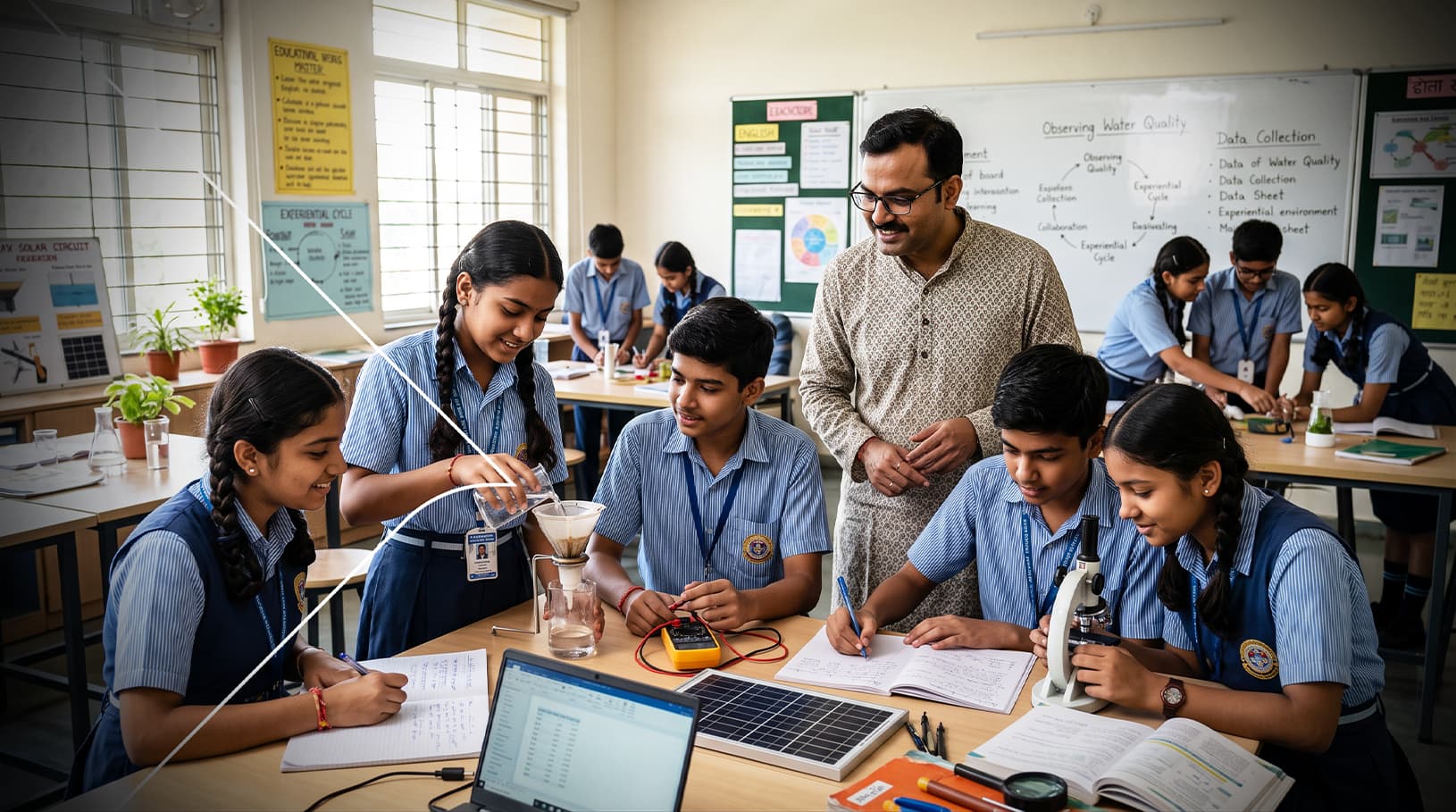
- Practical application of concepts
- Exposure to coding and vocational education
This stage acts as a bridge between foundational learning and more specialised academics (NEP 2020, Sections 4.9, 4.23).
Secondary Stage (Classes 9–12)
At this stage, students move towards:
- Deeper subject understanding
- Application-focused learning
- Skill development
- Flexible subject choices
- Preparation for future academic or vocational pathways
- Subject specialisation
- Career readiness and pathway exploration
- Real-world application of knowledge
The structure is designed to prepare students not only for board examinations but also for higher education, careers, and lifelong learning (NEP 2020, Sections 4.4, 11.1).
Key Changes Under NEP 2020
Beyond restructuring school stages, NEP 2020 fundamentally redefines how education is delivered:
1. From Rote Learning to Conceptual Understanding
Students focus on understanding concepts, not just memorising content. This begins in the early years and builds progressively across schooling (NEP 2020, Section 4.4).
2. Skill Integration at Every Stage
Each stage integrates practical skills, such as coding, financial literacy, life skills, and environmental awareness, within subjects, rather than treating them as separate areas (NEP 2020, Sections 4.6, 4.26).
3. Flexibility and Multiple Pathways
The 5+3+3+4 structure enables flexibility, allowing students to pursue academic, vocational, or blended pathways aligned with their strengths and interests (NEP 2020, Sections 4.9, 11.5).
4. Holistic Learning
Education expands to include arts, sports, physical education, social-emotional learning, and character development alongside academic subjects (NEP 2020, Sections 4.6, 4.7).
5. Continuous Assessment Over High-Stakes Exams
There is reduced emphasis on high-stakes examinations and greater focus on ongoing, formative assessment to track and support student learning (NEP 2020, Section 4.34).
6. Multilingual Learning
Students are encouraged to learn in their mother tongue or regional language, particularly in the early years, with multilingualism recognised as a key strength (NEP 2020, Sections 4.11–4.13).
Why this structure matters
For Schools
- Teaching shifts towards conceptual and activity-based learning.
- Teachers require training in modern pedagogical approaches.
- Schools may need infrastructure to support practical and skill-based learning.
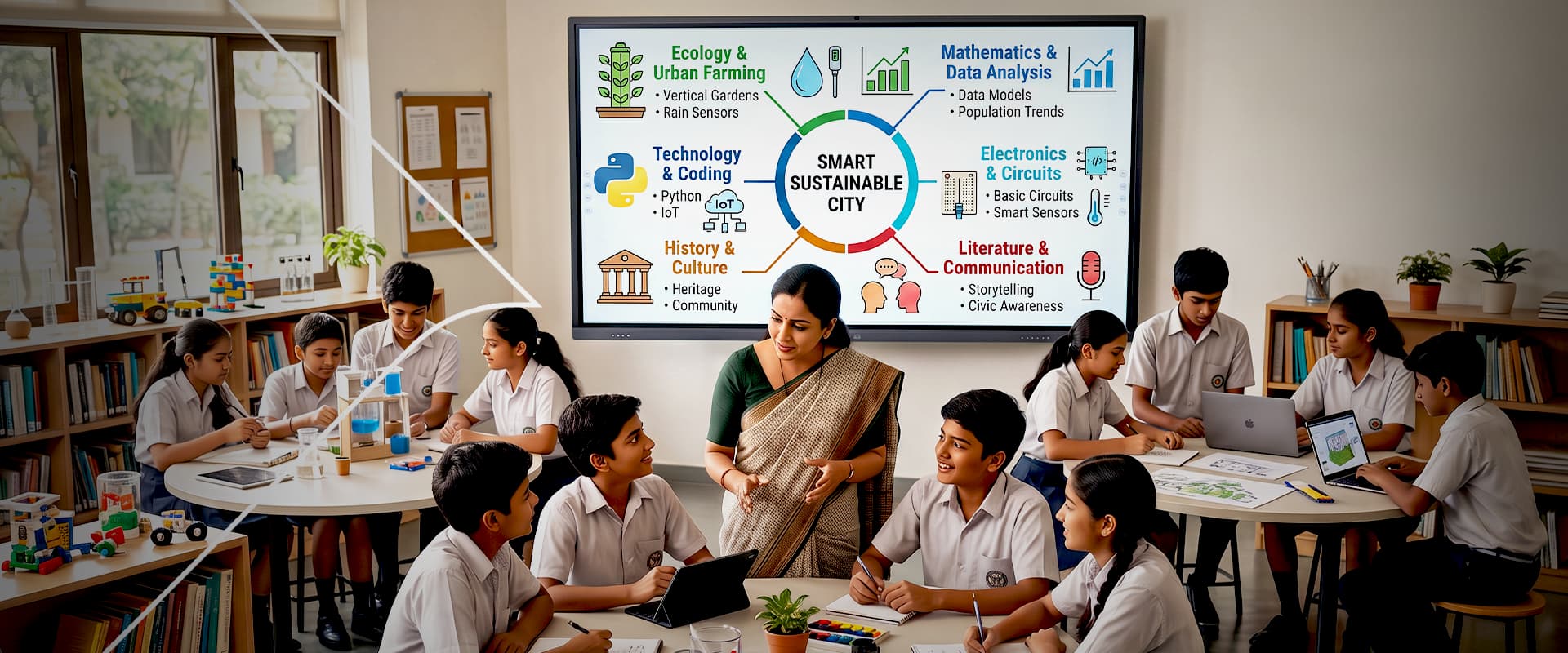
- Curriculum planning becomes more flexible and interdisciplinary.
For Students
- Early learning becomes less exam-focused and more exploratory.
- Greater flexibility in subject and career choices as students progress.
- Learning emphasises practical application, critical thinking, and real-world skills.
- Multiple pathways support diverse strengths, interests, and learning styles.
- Opportunities to combine academic and skill-based learning.
For Parents
- Student progress is measured through continuous assessment, not only final examinations.
- Practical skills such as coding, financial literacy, and communication become integral to learning.
- More regular and meaningful feedback to parents on student understanding and development.
Making the Transition Smooth
Schools and educators implementing NEP 2020 are currently in a transition phase. This shift requires:
- New teaching strategies focused on conceptual understanding.
- Classroom resources that support interactive learning.
- Assessment methods that evaluate understanding, not just recall.
- Ongoing teacher training and support systems.
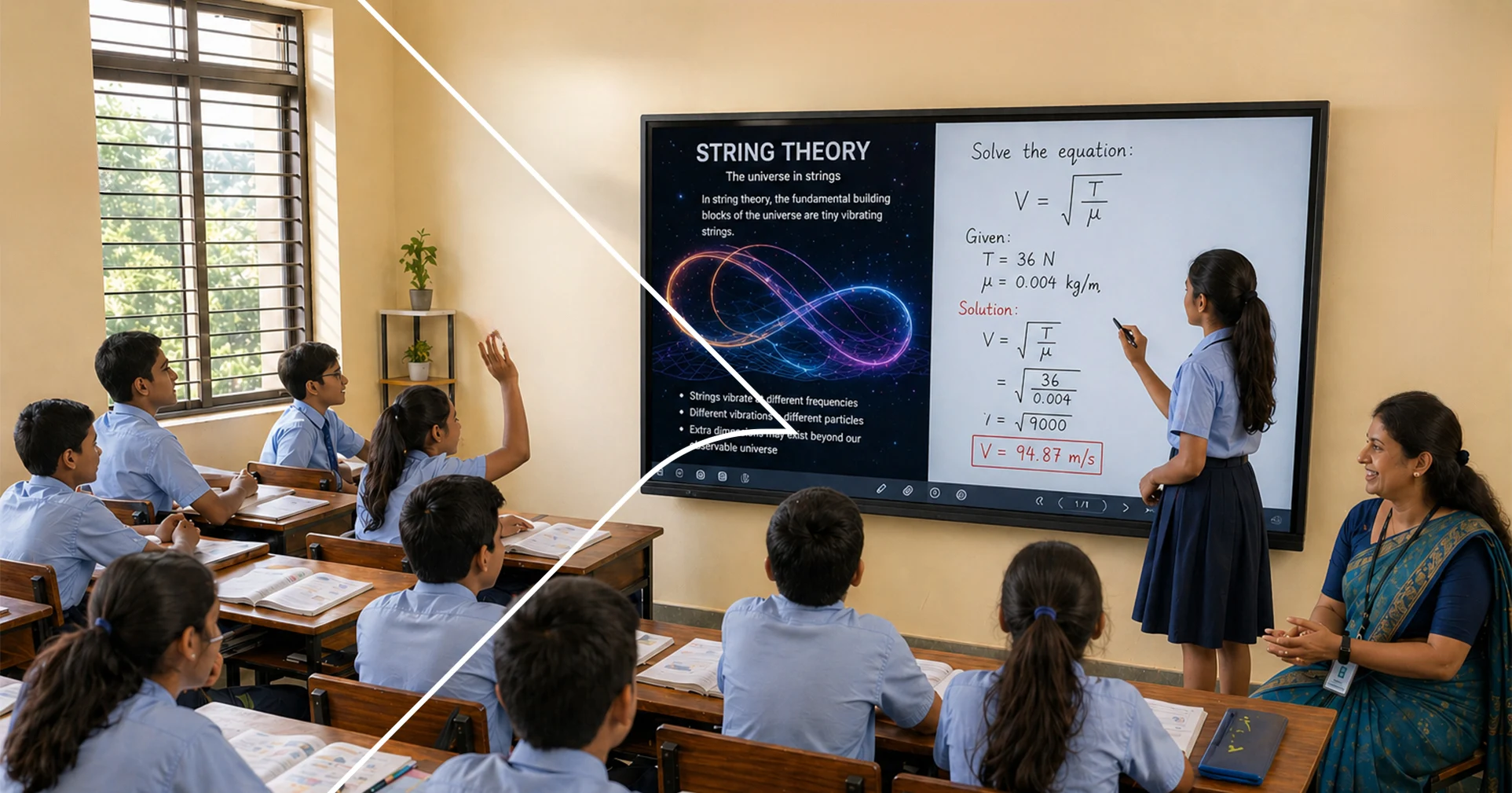
Digital learning solutions can support conceptual learning, classroom engagement, can support this transition by enabling conceptual learning, enhancing classroom engagement, facilitating continuous assessment, and promoting interactive teaching practices. Continuous assessment, and interactive teaching during the NEP transition.
Conclusion
NEP 2020’s 5+3+3+4 structure is not merely a reorganisation of school stages; it represents a fundamental shift in how school education is understood and delivered in India.
For your child:
- Preschool to Class 5 focuses on foundational learning through play, exploration, and the development of language and numeracy.
- Classes 6–8 introduce subject-based learning, critical thinking, coding, and practical application.
- Classes 9–12 progressively prepare students for subject specialization, flexible learning pathways, higher education, and careers.
This structure offers greater flexibility for students, enables more meaningful teaching practices for educators, and lays the foundation for lifelong learning (NEP 2020, Sections 4.4, 11.1).
As schools gradually adopt the new framework, the focus is shifting toward deeper learning, flexibility, and future-ready skills.
References
- Ministry of Education, Government of India. National Education Policy 2020
https://ncert.nic.in/pdf/nep//NEP_2020.pdf